Description
Sparkling Gourami (Trichopsis Pumila)
Overview
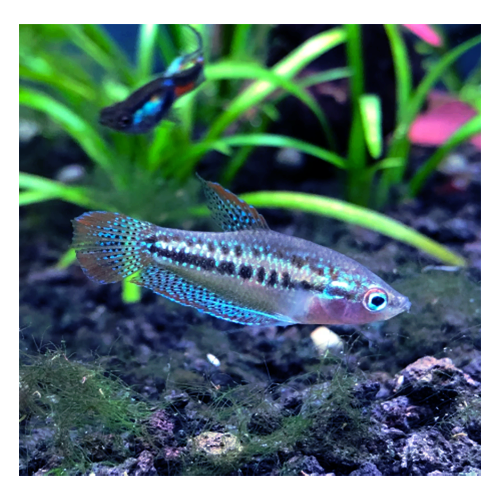
The Sparkling Gourami (Trichopsis pumila), also known as the Pygmy Gourami or Dwarf Croaking Gourami, is a tiny, iridescent labyrinth fish native to slow-moving marshes, ditches, and vegetated floodplains across Southeast Asia. Famous for its glowing blue eyes, shimmering turquoise-and-red speckles, and ability to make audible clicking or “croaking” sounds during courtship and territorial displays, it is an ideal centerpiece for peaceful nano aquariums.
Care Requirements
Tank Size:
A 40 litre aquarium is recommended for a pair or small group, while 55 to 75 litres is better if housing multiple males.
Water Parameters:
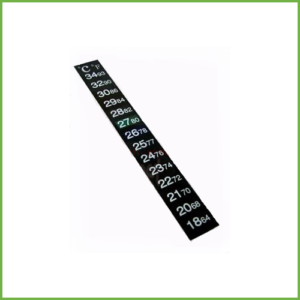
- Temperature: 23–28°C; optimal 25–27° for breeding.
- pH: 6.0–7.5 (slightly acidic to neutral).
- Hardness: 1–12 dGH (soft to moderately hard, TDS <200 ppm).
- Substrate: Fine gravel or sand; add leaf litter (e.g., Indian almond leaves) for natural aesthetics and water conditioning.
- Décor: Dense plants (e.g., Java fern, Amazon sword, Vallisneria) and floating plants (e.g., water sprite, frogbit) for cover and bubble nest sites. Include driftwood, caves, or rocks for hiding. Ensure surface access for air breathing.
- Filtration: Gentle to moderate flow with sponge or canister filters; avoid strong currents that disrupt bubble nests.
- Lighting: Low to moderate; floating plants diffuse light to reduce stress.
- Other: Secure lid recommended, as they may jump, especially when stressed.
Maintenance
- Water Changes: 20–25% weekly with dechlorinated water to maintain stable parameters and low nitrates.
- Tank Cleaning: Siphon uneaten food and debris; lightly vacuum substrate to preserve beneficial bacteria.
- Testing: Weekly checks for pH, hardness, ammonia, nitrite, and nitrate using a reliable test kit.
- Equipment Check: Ensure filters provide gentle flow, heaters maintain stable temperatures, and surface is accessible for air breathing.
Diet
- Micro-Predator. Sparkling Gouramis are carnivorous-leaning micropredators with tiny mouths that hunt small aquatic invertebrates in the wild.
- Staple Foods. Feed high-quality crushed flakes, floating micro-pellets, or slow-sinking nano granules that fit comfortably into their mouths.
- Live & Frozen Treats. Offer live or frozen baby brine shrimp, daphnia, microworms, cyclops, and finely chopped bloodworms two to three times a week to bring out vibrant reds and blues.
Behaviour and Compatibility
- Social Dynamics & Croaking. They are shy in bare tanks but inquisitive and bold in planted setups, often exploring every nook of the aquascape. Both males and females produce rapid clicking or croaking sounds using specialized pectoral fin muscles during territory disputes and courtship.
- Group Ratios. Keep a single pair or a small group with more females than males (such as 1 male to 2–3 females) in densely planted tanks so visual barriers break up territorial chasing.
- Ideal Tankmates. Pair them with tiny, peaceful fish that will not outcompete them at feeding time, such as Ember Tetras, Chili Rasboras, Celestial Pearl Danios, Pygmy Corydoras, and Otocinclus.
- Tankmates to Avoid. Avoid large, boisterous, or fin-nipping fish that will intimidate them. Despite their small size, Sparkling Gouramis are skilled hunters and will actively prey on dwarf shrimp fry (such as Cherry Shrimp babies), though adult Amano shrimp and snails are safe
Breeding Behaviour
- Sexual Dimorphism. Sexing young fish is tricky, though mature males usually display slightly longer, more pointed dorsal and anal fins and richer coloration. Shining a bright flashlight behind a mature female reveals a triangular, pale orange-yellow ovary sac behind her stomach cavity.
- Bubble Nesting. Males build small, discreet bubble nests tucked beneath broad floating leaves or submerged plant canopies rather than out in the open.
- Spawning & Fry Care. Conditioning pairs on live baby brine shrimp and raising the temperature slightly to 26°C–28°C encourages spawning. The pair embraces beneath the nest, releasing 40 to 100 tiny eggs that float up into the bubbles. The male guards the nest fiercely chasing away the female and tankmates until the eggs hatch in 24 to 48 hours. Once fry become free-swimming 2 to 3 days later, remove the parents (or move the fry) and feed infusoria, green water, or liquid fry food before transitioning to microworms and newly hatched brine shrimp.
Please Note: Due to variations within species resulting from age, region, sex, etc., the actual livestock may not look identical to the image. Approximate size range may also vary between individual specimens.