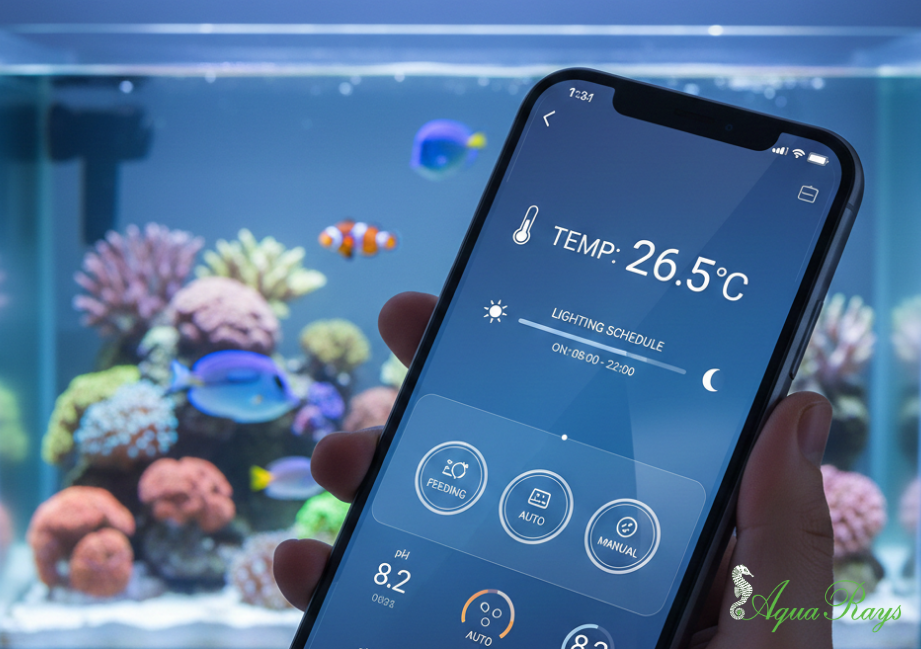
If your fish could talk, they’d probably have a few things on their wishlist when it comes to tank care.
Don’t worry though – most aquarium maintenance mistakes are incredibly common, and the best part is they’re easy to turn around with a few small changes.
Mistake #1: Skipping Water Changes
Let’s start with the big one.
Water changes are hands down the most powerful maintenance tool you’ve got… and also the one people tend to skip the most.
Even if your filter is running perfectly, nitrates will slowly build up over time. While they’re less toxic than ammonia or nitrite, high nitrate levels can still stress your fish, weaken their immune systems, and encourage algae to take over.
And the only reliable way to remove them? Regular water changes.
What to do instead:
- Aim for 10 – 20% weekly rather than doing big, occasional changes
- Smaller, consistent changes help keep everything stable (which your fish love)
- Always match the temperature of the new water to your tank
- Use a quality dechlorinator every time – chlorine is a no-go for fish and your beneficial bacteria
Mistake #2: Overfeeding
We get it… your fish look hungry all the time. They rush to the glass, they follow you around – it feels personal.
But here’s the thing: fish are opportunistic feeders. They’ll act hungry even when they’re not.
Overfeeding is one of the fastest ways to throw your water quality out of balance. Uneaten food sinks, breaks down, and creates ammonia – which stresses fish, damages gills, and can quickly lead to bigger issues (especially in reef tanks).
What to do instead:
- Feed only what your fish can eat in about 2 minutes
- If food is hitting the bottom and sticking around, it’s too much
- Remove leftovers with a turkey baster or gravel vac
- Try a “fasting day” once a week – your fish will be absolutely fine, and your tank will benefit
Mistake #3: Not Cycling a New Tank
This one catches a lot of people out – and it’s usually a tough lesson.
A brand-new tank doesn’t have the beneficial bacteria needed to process waste. That means ammonia builds up quickly, even if the water looks crystal clear.
This is what’s known as New Tank Syndrome – and it’s completely avoidable.
What to do instead:
- Always cycle your tank before adding fish
- Add an ammonia source (like fish food or pure ammonia) and let bacteria establish (usually 4 – 8 weeks)
- Your tank is ready when ammonia and nitrite both hit 0 ppm within 24 hours
Mistake #4: Neglecting Filter Maintenance
Your filter is basically the engine of your tank – it’s doing a lot behind the scenes.
It houses your beneficial bacteria and removes waste from the water, so ignoring it (or cleaning it the wrong way) can cause more harm than good.
What to do instead:
- Rinse sponges and filter media regularly – but always in old tank water, not tap water
- Tap water contains chlorine, which can wipe out your beneficial bacteria
- Don’t replace all your filter media at once – stagger it to keep your bacteria colony intact
- If your flow rate drops, it’s usually a sign your filter needs some attention
Mistake #5: Adding Fish Too Quickly
We know… setting up a new tank is exciting, and it’s tempting to add “just one more.”
But adding too many fish too quickly puts a lot of pressure on your system. Your filter needs time to adjust to the increased bio-load, and rushing the process can lead to ammonia spikes and stressed fish.
What to do instead:
- Add fish gradually – give your tank 2 – 3 weeks to adjust between additions
- Research how big your fish will get, not just how they look in-store
- Add more aggressive or territorial species last
- And if you’re unsure, ask – stocking plans are something we’re always happy to help with
Mistake #6: Skipping Quarantine for New Arrivals
This is one of the most overlooked steps… and one of the riskiest.
Adding new fish or coral straight into your display tank can introduce diseases or parasites to everything in there. By the time you notice something like ich, it’s often already spread through the system.
What to do instead:
- Set up a simple quarantine tank (heater, sponge filter, and a hiding spot is enough)
- Keep new arrivals there for at least 4 weeks
- For reef tanks, a fallow period (no fish) of 6 – 8 weeks is the most reliable way to eliminate ich
- It might feel like extra effort, but it can save your entire tank
Mistake #7: Ignoring What Your Fish Are Telling You
Your fish might not be able to talk – but they’re definitely communicating.
One of the biggest mistakes is waiting until something looks really wrong before taking action. By then, the issue has often been building for a while.
Keep an eye out for:
- Clamped fins (early sign of stress)
- Flashing or rubbing (possible parasites)
- Gasping at the surface (low oxygen or high ammonia)
- Not eating for a few days (stress, illness, or bullying)
- Faded colour (stress, lighting, or health issues)
Getting into the habit of observing your fish daily – not just feeding them – makes a huge difference. The earlier you spot a problem, the easier it is to fix.