If you’ve got an aquarium heading into winter, there’s a good chance you’ve wondered this already:
Do I actually need a heater for my fish tank… or will it be fine as it is?
And closely followed by that:
What temperature should my fish tank actually be in winter?
They’re simple questions, but they come up every year for a reason – winter has a way of quietly changing things in a tank without making it obvious straight away.
Winter changes your tank more than you think
Even though your aquarium might be inside, winter in New Zealand still has an effect on it.
Rooms cool down overnight. Houses lose heat faster than people expect. Tanks sitting near windows or external walls feel those changes even more.
And the thing is, your fish don’t experience that as “winter” – they just experience it as a change in temperature.
That’s really where most winter issues start.
Not from something dramatic… but from small drops that build up over time.
So do you actually need a heater?
The short answer is: in most cases, yes.
But not because fish are fragile, it’s more about how aquarium systems behave when temperatures aren’t stable.
Fish are cold-blooded, which means their body temperature follows the water around them. When the water cools down, everything in their system slows with it.
You might notice things like:
- fish becoming less active
- feeding dropping off a bit
- slower movement around the tank
And often people assume that’s just “winter behaviour”, but it’s really just temperature influencing how the whole system runs.
The bigger issue usually isn’t a single cold night, it’s the constant up and down that happens when a tank isn’t heated properly.
That back and forth is what creates stress over time.
What temperature should your fish tank be in winter?
This depends a little on the fish, but most common tropical aquarium fish in New Zealand are happiest in a fairly steady range.
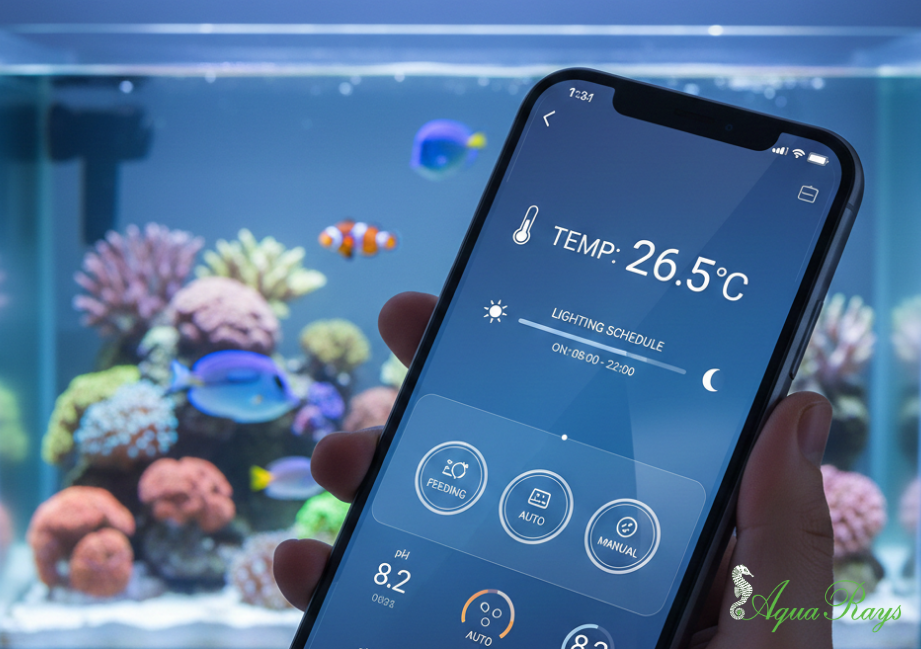
For most setups, that’s usually around 24 – 26°C.
But, the exact number isn’t where most people go wrong.
It’s the stability.
A tank sitting steadily at 24°C will almost always do better than a tank bouncing between 22°C and 26°C through the day and night.
Fish don’t really respond to a single temperature reading – they respond to consistency over time.
Why winter makes temperature harder to notice
One of the tricky things about winter is that changes are slow.
You don’t usually wake up and see a problem.
Instead, things gradually shift:
- fish slightly less active
- food not getting eaten as quickly
- tank feeling “just a bit off”
And because it’s gradual, it’s easy to miss until something becomes obvious.
That’s usually the point people start checking heaters or water temperature.
A simple way to think about it
If your tank depends entirely on room temperature to stay warm… it will always change with the weather.
If it has a heater doing the work, it stays more consistent, even when everything else around it cools down.
That consistency is really what keeps a tank stable through winter.
FAQ – Winter Aquarium Heating (NZ)
Do I really need a heater in winter for my aquarium?
In most cases, yes. Especially for tropical fish in New Zealand homes, where room temperatures drop overnight and tanks can lose heat faster than expected.
What temperature should my fish tank be in winter?
Most tropical aquariums do best around 24 – 26°C, but the most important thing is keeping that temperature stable.
Can my fish survive without a heater in winter?
Some cold-water species can, but most common aquarium fish kept in NZ are tropical and rely on stable heated water to stay healthy.
Why does my fish tank feel colder in the morning?
This usually comes down to overnight room temperature drops and heat loss through the glass tank.
What’s more important – heater or thermometer?
They actually work together. The heater controls the temperature, but the thermometer tells you what’s really happening in the tank.