Description
Foxface Lo (Siganus vulpinus)
Overview
- Scientific Name: Siganus vulpinus
- Common Names: Foxface, Foxface Rabbitfish, Common Foxface
- Origin: Western Pacific (Philippines, Indonesia, Great Barrier Reef, New Caledonia)
- Adult Size: Up to 24 cm; typically 18-20 cm in captivity
- Lifespan: 5-10 years in aquariums; potentially longer in the wild
- Care Level: Moderate
- Temperament: Peaceful to semi-aggressive; may be territorial with similar species
- Reef Safe: Generally yes, but may nip at soft corals or LPS if underfed
- Availability: Common in the aquarium trade; mostly wild-caught, with rare aquacultured specimens
- Venomous
The Foxface is known for its bright yellow body, black and white facial markings resembling a fox, and distinctive venomous dorsal spines, which require careful handling to avoid painful stings. As a member of the Siganidae family, it is an excellent algae grazer, helping to control algae in reef tanks. Its hardy nature makes it suitable for intermediate aquarists, but its size, dietary needs, and occasional territoriality demand a spacious tank and proper care.
Care Requirements
Foxface fish thrive in environments mimicking their natural reef habitats, with strong water flow, stable parameters, and ample grazing surfaces. They are relatively hardy but susceptible to marine ich (Cryptocaryon irritans) and skin issues if stressed or underfed, making water quality and diet critical.
- Tank Size Minimum 300 liters; 400+ liters preferred Juveniles can start in 200 liters, but upgrades are needed for adults. Active swimmers need space.
- Temperature 22-28°C Ideal 24-26°C; use heater/chiller for stability.
- pH 8.1-8.4 Stable pH prevents stress; test weekly.
- Salinity (SG) 1.020-1.025 Standard marine salinity; use refractometer.
- Water Hardness 8-12 dKH Buffers pH; use marine salt mixes.
- Ammonia/Nitrite 0 mg/L Critical; poor water quality causes disease.
- Nitrate <20 mg/L Low levels via 10-20% weekly water changes.
- Lighting Moderate to high Supports algae growth; 8-10 hours/day with LEDs or T5.
- Filtration & Flow Strong; 20-30x tank volume/hour Protein skimmer, powerheads, live rock for filtration.
Aquascaping: Provide live rock for grazing and hiding, with open swimming areas to accommodate their active nature. Secure corals, as their swimming may dislodge structures. A jump guard prevents escapes, as they may leap when startled.
Acclimation: Drip acclimate over 1-2 hours to avoid shock. Quarantine for 2-4 weeks to monitor for parasites like ich or flukes.
Health Notes: Prone to ich (white spots) and skin irritation from poor water quality. Use UV sterilizers and quarantine with copper-based treatments (e.g., Cupramine at 0.15-0.2 mg/L) if needed. Handle with care due to venomous spines, which can cause painful, though non-lethal, stings.
Maintenance
Consistent maintenance ensures health and vibrant coloration while minimizing disease risk.
- Water Changes: 10-20% weekly (30-60 liters for a 300-liter tank) using RO/DI water matched to tank parameters.
- Filtration: Employ a protein skimmer, canister filter, or refugium. Add activated carbon to remove toxins.
- Testing: Weekly monitoring of pH, salinity, ammonia, nitrite, nitrate, and phosphate using reliable kits (e.g., Salifert, Hanna).
- Cleaning: Siphon detritus during water changes; clean filters monthly. Monitor algae growth, as the Foxface grazes but requires supplemental feeding.
- Handling: Use caution due to venomous dorsal, anal, and pelvic spines. Transfer using a container, not a net, to avoid stings. If stung, soak the area in hot water (45°C) for 30-90 minutes to denature the venom.
Common Issues:
- Marine Ich: Treat in quarantine with copper (0.15-0.2 mg/L) or hyposalinity (1.009 SG).
- Skin Irritation: Prevent with a varied diet and low nitrates.
- Aggression: Monitor for territoriality; introduce as one of the last fish to reduce disputes.
Source healthy specimens from reputable suppliers to minimize transport stress.
Diet
Foxface fish are primarily herbivorous, grazing on filamentous algae and some zooplankton in the wild. In captivity, they require a vegetable-heavy diet to maintain health, coloration, and reduce aggression. Feed small amounts 2-3 times daily, consumed within 2-3 minutes, to mimic natural grazing behavior.
Primary Foods:
- Marine algae/nori (e.g., Ocean Nutrition Seaweed Salad, Hikari Sea Veggies).
- Spirulina-enriched flakes or pellets (e.g., New Life Spectrum, Formula Two).
- Blanched vegetables: Zucchini, spinach, romaine lettuce, broccoli.
- Supplements (15-20% of diet): Frozen mysis shrimp, brine shrimp, copepods, or high-quality omnivore flakes/pellets for protein and variety.
Feeding Tips: Attach nori to a veggie clip or rock. Provide live rock for natural grazing. Frequent small feedings reduce waste and support health. Target-feed with tools like Julian’s Thing if tank mates compete for food.
A varied, algae-rich diet enhances their bright yellow color and supports overall health.
Behavior
Foxface fish are active, diurnal swimmers that graze constantly and are generally peaceful, though they may become semi-aggressive toward similar-shaped fish or food competitors in smaller tanks. They can change color to a mottled brown when stressed or sleeping, returning to bright yellow when healthy. Their venomous spines are used defensively and can sting tank mates or handlers.
- Activity Level: Moderate to high; requires ample swimming space to thrive.
- Social Dynamics: Peaceful to semi-aggressive; may chase food competitors or similar species. Best kept singly or introduced last to reduce territoriality.
- Stress Indicators: Mottled coloration, hiding, or rapid gill movement—check water parameters and tank mate compatibility immediately.
Compatibility
Foxface fish are generally reef-safe, grazing algae without harming most corals or invertebrates, though hungry individuals may nip at soft corals or LPS. Their peaceful nature makes them suitable for community tanks, but their size and occasional territoriality require careful tank mate selection.
Compatible Tank Mates (in 300+ liter tanks):
- Robust fish: Clownfish, wrasses, angelfish, hawkfish, larger gobies, damselfish.
- Invertebrates: Shrimp, snails, crabs, anemones.
- Corals: SPS, most soft corals; monitor LPS with larger specimens.
Incompatible:
- Other rabbitfish (e.g., Siganus magnificus) in smaller tanks—leads to aggression.
- Slow or timid fish: Seahorses, pipefish, small anthias.
- Direct food competitors: Some tangs or triggerfish.
Stocking Tips: One Foxface per 300 liters. Introduce simultaneously in large tanks to minimize territoriality. Provide hiding spots to reduce stress.
Reproduction
Breeding Foxface fish in home aquariums is extremely challenging and not feasible for most hobbyists. In the wild, they are broadcast spawners, releasing eggs and sperm in pairs or groups near the surface, with pelagic larvae drifting before settling on reefs.
- Captive Breeding: Rare; no consistent success in home setups due to difficulty maintaining pairs and fragile larvae requiring live feeds (phytoplankton, rotifers). Large-scale facilities have had limited success with specialized setups.
- Sexing: Difficult; no clear external differences, though males may be slightly slimmer.
Hobbyist Notes: Focus on sourcing sustainable wild-caught or rare aquacultured specimens to support conservation efforts.
Summary
The Foxface is a vibrant and hardy addition to reef aquariums, controlling algae while showcasing its striking yellow coloration and unique facial markings. Its care requires a spacious tank, stable water quality, and a vegetable-rich diet to maintain health and manage occasional aggression. Intermediate aquarists with experience in water management and fish behavior will find it rewarding. Source ethically to support sustainable practices and protect wild populations
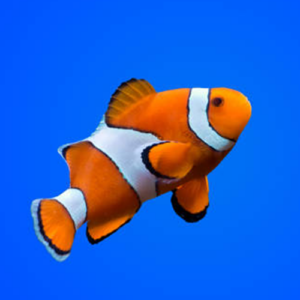
Picture for illustrative purposes only. Either come in store to view available stock or request pictures to be sent to you.
Please Note: Due to variations within species resulting from age, region, sex, etc., the actual livestock may not look identical to the image. Approximate size range may also vary between individual specimens.