Description
Jackfruit Leaves
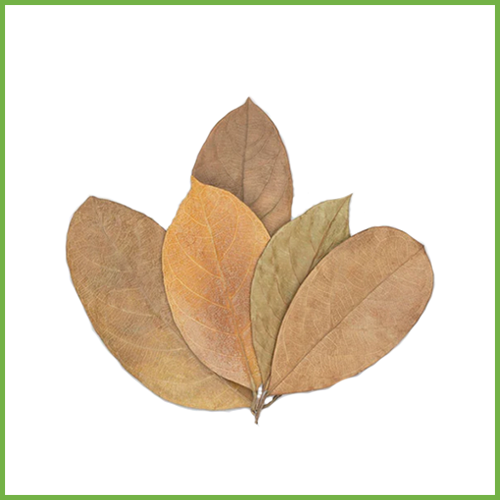
Native to the tropics, Jackfruit leaves are much thicker and leathery compared to other aquarium botanicals. This makes them a favourite for hobbyists who want the medicinal benefits of leaf litter without the mess of rapid decomposition. They provide a beautiful, yellow-to-gold hue to the water and serve as a permanent structural element in “leaf litter” zones.
Features:
- Extra-Durable: Unlike Bamboo or Mulberry leaves, Jackfruit leaves can take months to break down, keeping your substrate tidy.
- Rich in Phytonutrients: High in saponins and flavonoids, which contribute to a healthy biological environment.
- Unique Aesthetic: Their broad, oval shape and stiff texture offer a “tropical forest floor” look that complements driftwood and rocks.
- Biofilm Magnet: The thick cuticle of the leaf provides an ideal substrate for beneficial microorganisms to colonize.
Benefits:
- Immune System Support: Natural antibacterial and antifungal properties help protect fish and fry from common pathogens.
- The “Long-Term” Foraging Station: Because they break down slowly, they provide a constant source of biofilm over a longer period.
- Gentle Conditioning: They release tannins more slowly than Catappa leaves, preventing sudden drops in pH and providing a stable, mild tint.
- Safe Shelter: Their rigid structure creates excellent caves and crevices for bottom-dwelling dwarf cichlids and plecos.
Tips:
- Preparation: Because they are so thick, Jackfruit leaves can be stubborn to sink. Boil them for 15–20 minutes to soften the fibers and ensure they stay at the bottom.
- Placement: Use them as a “base layer” for your leaf litter. Place thinner leaves (like Bamboo or Catappa) on top of the Jackfruit leaves to create a realistic, layered ecosystem.
- Dosage: Use 1–2 leaves per 10 gallons. Since they release tannins slowly, you can use them more liberally than Catappa leaves.