Description
Melanurus Wrasse (Halichoeres melanurus)
Overview
The Melanurus Wrasse (Halichoeres melanurus), also known as the Tail-Spot Wrasse, is a prized addition to reef aquariums for its vibrant, painterly colors and its reputation as a “pest-control” specialist.
- Temperament: Semi-aggressive (can be territorial toward other wrasses)
- Reef Safe: Yes (generally safe with corals)
- Max Size: Approximately 10–12 cm
- Origin: Western Pacific
Care Requirements
- Tank Size: A minimum of 200-300 litres is recommended to accommodate their active swimming habits.
- Sand Bed (Essential): Unlike some other wrasses, the Melanurus Wrasse must have a fine-grained sand bed (at least 2–3 inches deep) to bury itself in at night for sleeping and whenever it feels threatened.
- Lid: Like all wrasses, they are excellent jumpers. A tight-fitting mesh lid is absolutely mandatory.
- Water Parameters:
- Temperature: 24–27°C
- Salinity: 1.023–1.025
- pH: 8.1–8.4
Maintenance
Routine care ensures the Melanurus Wrasse remains healthy and active, maintaining its pest-control role and vibrant coloration.
- Acclimation: Drip acclimate over 1–2 hours to adjust to tank conditions. Quarantine for 2–4 weeks to prevent introducing parasites like marine ich.
- Water Changes: Perform 20–30% water changes bi-weekly or 10–15% weekly using RO/DI water mixed with marine salt to control nitrates and replenish trace elements.
- Tank Cleaning: Siphon detritus from the sand bed during water changes to prevent buildup. Use a turkey baster to clear debris from rockwork. The wrasse may eat small pests (e.g., flatworms, bristleworms) but cannot manage heavy infestations.
- Health Monitoring: Monitor for stress (prolonged burrowing, faded colors, reduced appetite) or disease (white spots, erratic swimming). It is hardy but susceptible to ich if water quality declines. Use copper-free treatments and vitamin-enriched foods to enhance immunity and coloration.
Tips: Introduce as one of the last fish to minimize aggression. Ensure a deep sand bed for burrowing and check the tank lid regularly to prevent escapes.
Diet
A carnivore, the Melanurus Wrasse feeds on small crustaceans, worms, and zooplankton in the wild, making it an excellent pest controller (e.g., flatworms, pyramid snails, small bristleworms). A varied, protein-rich diet in captivity supports health and vibrant colors.
- Feeding Frequency: Feed 2–3 times daily.
- Foods: They are vigorous eaters. Provide a varied, high-protein diet:
- Frozen mysis shrimp, brine shrimp, and chopped seafood.
- High-quality, vitamin-enriched marine pellets or flakes.
- They are natural hunters and will actively scour your live rock for flatworms, pyramidellid snails, and other small, undesirable invertebrates.
Behavior and Compatibility
- Pest Control: They are highly valued for their ability to naturally manage populations of pests like flatworms and various small crustaceans that can plague reef tanks.
- Compatibility: They are generally peaceful with non-wrasse tank mates. However, they can be aggressive toward more docile fish or other wrasses introduced after them. It is best to introduce them as one of the last additions to the tank.
- Invertebrate Safety: While they are “reef safe,” they are efficient hunters. They may occasionally harass or eat very small ornamental shrimp or snails if they are not well-fed or if the prey is small enough to be viewed as food.
Reproduction
As with other members of the Labridae family, they are protogynous hermaphrodites. In nature, they spawn in open water. Breeding in a home aquarium is not considered feasible for the average hobbyist.
Tips
- Acclimation: They can be shy initially. Using an acclimation box can help them settle in and ensure they are eating before competing with established fish for food.
- The “Burying” Habit: If your wrasse disappears into the sand for a few days after being added to the tank, do not panic. This is a natural stress response. Provide them with a low-stress environment, and they will eventually emerge on their own.
- Sand Quality: Ensure the sand bed is soft and not composed of coarse, sharp crushed coral, which could damage their skin or eyes when they bury themselves.
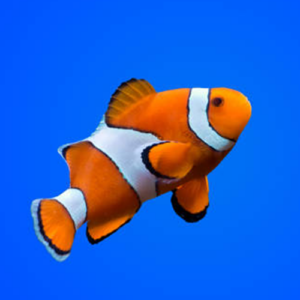
Picture for illustrative purposes only. Either come in store to view available stock or request pictures to be sent to you.
Please Note: Due to variations within species resulting from age, region, sex, etc., the actual livestock may not look identical to the image. Approximate size range may also vary between individual specimens.