Description
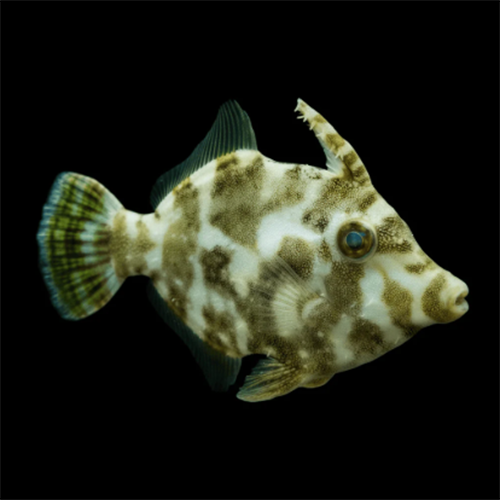
Seagrass Filefish (Acreichthys tomentosus)
Overview
The Acreichthys tomentosus, commonly known as the Aiptasia Eating Filefish, Bristletail Filefish, or Matted Filefish, is a fascinating marine fish highly valued in the aquarium hobby for its natural ability to control nuisance Aiptasia (glass anemones).
- Temperament: Generally peaceful and shy; can be territorial toward conspecifics (same species).
- Reef Safe: With Caution. While excellent for pest control, they are known to occasionally nip at corals, clams, and other invertebrates.
Care Requirements
- Tank Size: Minimum 120 liters to provide adequate swimming space and room for rockwork.Aquascaping: They thrive in tanks with plenty of live rock. The rockwork provides essential hiding spots and grazing areas where they can hunt for tiny invertebrates.
- Environment: They are masters of camouflage, capable of changing their color and skin texture to blend in with their surroundings.
- Water Parameters:
- Temperature: 24–27°C (75–80°F)
- Specific Gravity: 1.020–1.026
- pH: 7.7–8.5
Maintenance
- Observation: Monitor the fish for signs of nipping at your corals. If they start consuming desired coral polyps, they may need to be moved to a fish-only or refugium setup.
- Water Quality: Like all reef inhabitants, they require stable water parameters. Regular maintenance (water changes, filtration, and monitoring nitrate/ammonia) is essential.
Diet
While famous for eating Aiptasia, they are omnivores and require a varied diet to remain healthy.Natural Diet: Small benthic invertebrates, amphipods, worms, and molluscs.
- Captive Diet: Offer a mix of high-quality frozen foods, such as mysis shrimp, brine shrimp, and chopped seafood. Many will also accept high-quality pellets and flakes.
- Important: Not every individual will eat Aiptasia. If you are adding one specifically for pest control, be prepared with an alternative removal method in case your specific fish does not develop a taste for them.
Behavior and Compatibility
- Compatibility: They coexist well with most peaceful community fish, such as clownfish, gobies, blennies, and tangs.
- Caution: Because they are shy and slow-moving, avoid keeping them with overly aggressive or boisterous fish that might outcompete them for food or stress them out.
- Conspecifics: They can be aggressive toward others of their own kind unless paired intentionally.
Reproduction
- Acreichthys tomentosus can be sexed as they mature; males develop a well-defined, oblong patch of “bristles” (retrorse spines) on their caudal peduncle (the base of the tail).
- They are known to pair off in the wild. While captive spawning has been observed in large, mature aquariums, successfully raising the larvae is considered extremely difficult and is rarely achieved by the average hobbyist.
Tips
- Captive-Bred: If possible, purchase captive-bred specimens. They are typically hardier, less prone to disease, and already accustomed to prepared aquarium foods.
- The “Pest Patrol”: While they are the “superheroes” of Aiptasia control, they are not a guaranteed solution. They are intelligent and inquisitive; often, they will target the pests, but their behavior can vary from individual to individual.
- Acclimation: Take your time with acclimation to ensure the fish settles in comfortably without stress, which is critical for their long-term health.
Picture for illustrative purposes only. Either come in store to view available stock or request pictures to be sent to you.
Please Note: Due to variations within species resulting from age, region, sex, etc., the actual livestock may not look identical to the image. Approximate size range may also vary between individual specimens.