Description
Dwarf Spotted Hawkfish (Cirrhitichthys oxycephalus)
Overview
The Cirrhitichthys oxycephalus, commonly known as the Coral Hawkfish or Threadfin Hawkfish, is a fascinating, inquisitive marine fish known for its distinct personality. Like other hawkfish, it lacks a swim bladder and spends most of its time “perched” on rocks and corals, watching its surroundings with engaging, independent eye movements.
- Temperament: Semi-aggressive; can be territorial toward similar-looking fish or slow-moving bottom dwellers.
- Size: Grows to approximately 9–10 cm (3.5–4 inches).
- Behavior: Very personable. They often learn to recognize their owners and will frequently “beg” for food at the front of the glass.
- Unique Feature: Uses its pectoral fins to perch on coral branches or rocks.
Care Requirements
- Tank Size: Minimum 30 gallons. Because they are active within their chosen territory, they need sufficient rockwork to move around.
- Temperature: 72–78°F (22–26°C).
- Salinity: 1.020–1.025 SG.
- pH: 8.1–8.4.
- Environment: They require plenty of live rock with various perches. They are generally safe with most corals, though they may sit on delicate sponges or fleshy corals, which can sometimes irritate the polyps.
Maintenance
- Water Quality: Maintain standard reef parameters. They are quite hardy but appreciate stable water conditions.
- Routine: Weekly to biweekly water changes (10–20%).
- Safety: Like all marine fish, a tight-fitting lid is essential. While not as prone to jumping as dartfish, they are capable of leaping if startled.
Diet
- Type: Carnivore.
- Staples: They are aggressive feeders. Provide a diet of high-quality frozen Mysis shrimp, brine shrimp, krill, and chopped silversides. Many will readily accept high-quality sinking marine pellets once acclimated.
- Feeding Habits: They are opportunistic hunters. In a community tank, ensure they get their fair share, as they are often bold enough to steal food from others.
Behavior and Compatibility
- Social: Territorial toward other hawkfish and bottom-dwelling fish that occupy similar niches (e.g., blennies or smaller gobies).
- Tankmates: Best kept with semi-aggressive or robust community fish (damsels, tangs, large wrasses).
- Caution: They will eat small ornamental crustaceans. Do not house with shrimp or small crabs, as they will likely be viewed as snacks.
- Reef Safety: Generally reef-safe, but use caution if you have a tank full of very delicate, fleshy LPS corals, as their constant perching can cause minor irritation.
Reproduction
- They are protogynous hermaphrodites.
- Spawning in the home aquarium is very rare. They perform a characteristic “rising” display before releasing pelagic eggs into the water column.
Tips
- Crustacean Warning: The biggest “gotcha” with this species is its appetite for shrimp. If you value your cleaner shrimp, this is not the fish for your tank.
- Personality: If you are looking for a fish that truly interacts with the keeper, the Coral Hawkfish is one of the best.
- Acclimation: They are generally very hardy; once settled, they are usually one of the most reliable eaters in the tank.
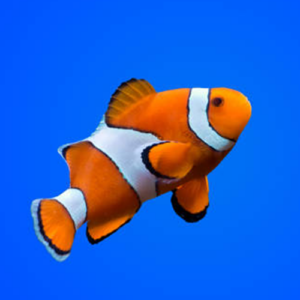
Picture for illustrative purposes only. Either come in store to view available stock or request pictures to be sent to you.
Please Note: Due to variations within species resulting from age, region, sex, etc., the actual livestock may not look identical to the image. Approximate size range may also vary between individual specimens.