Description
Powder Blue Tang (Acanthurus leucosternon)
The Powder Blue Tang (Acanthurus leucosternon) is one of the most iconic and visually breathtaking fish in the marine hobby. Known for its brilliant blue body, contrasting yellow dorsal fin, and striking white chest, it is a centerpiece fish—but it is also widely regarded as one of the most challenging tangs to keep.
- Temperament: Aggressive/Territorial
- Reef Safe: Yes (generally safe with corals and invertebrates)
- Max Size: Approximately 23 cm
- Origin: Indian Ocean
Care Requirements
- Tank Size: A minimum of 300 litres is highly recommended. These fish are very active swimmers and prone to high stress in smaller enclosures, which almost always results in disease.
- Swimming Space: They require an open aquascape with plenty of horizontal swimming room and high-flow areas.
- Lid: A tight-fitting lid is mandatory; they are strong jumpers.
- Water Parameters:
- Temperature: 22–27°C
- Salinity: 1.023–1.025
- pH: 8.1–8.4
- Water Quality: They are extremely sensitive to nitrate and phosphate spikes. A high-end protein skimmer and consistent maintenance are non-negotiable.
Maintenance
Rigorous maintenance is essential to prevent health issues and maintain vibrant coloration.
- Water Changes: 10-20% weekly (45-90 liters for a 450-liter tank) using RO/DI water matched to tank parameters.
- Filtration: Employ a protein skimmer, canister filter, or refugium. Add activated carbon to remove toxins.
- Testing: Weekly monitoring of pH, salinity, ammonia, nitrite, nitrate, and phosphate using reliable kits (e.g., Salifert, Hanna).
- Cleaning: Siphon detritus during water changes; clean filters monthly. Monitor algae growth, as the tang grazes but requires supplemental feeding.
- Handling: Use caution due to sharp caudal spines, which can cause painful cuts. Transfer using a container, not a net.
Diet
- Feeding Frequency: Feed small amounts 3+ times daily.
- Dietary Needs: Primarily herbivorous.
- Staples: High-quality Nori (dried seaweed) on a clip is essential to prevent malnutrition.
- Variety: Offer a mix of high-quality marine pellets and frozen herbivore-based foods. Supplementing with vitamin additives (like Selcon) is strongly encouraged to support their immune system.
- Grazing: They thrive in established tanks where they can graze on natural algae growth.
Behavior & Compatibility
- Temperament: They are notoriously aggressive, particularly toward other tangs, surgeonfish, and new additions to the tank.
- Tank Mates: It is best to introduce the Powder Blue Tang as the very last fish in the system. Avoid housing them with other Acanthurus species or fish with similar body shapes and colors.
- The “Scalpel”: Like all surgeonfish, they have a razor-sharp spine at the base of their tail. Handle with extreme caution during transfer.
Reproduction
- Breeding Powder Blue Tangs in home aquariums is nearly impossible due to complex spawning behaviors and larval rearing challenges. In the wild, they are broadcast spawners, releasing eggs and sperm in groups or pairs near the surface, with pelagic larvae drifting before settling on reefs.
- Captive Breeding: Extremely rare; no consistent success in home setups due to aggression in pairs and fragile larvae requiring live feeds (phytoplankton, rotifers). Some public aquariums have attempted spawning with hormone induction, but survival rates are low.
- Sexing: Difficult; males may be slightly larger with more pronounced spines; females have larger cloacas.
- Hobbyist Notes: Focus on sourcing sustainable wild-caught or rare aquacultured specimens to support conservation efforts.
Tips
- Disease Susceptibility: This species is a “magnet” for Cryptocaryon irritans (Marine Ich) and Marine Velvet. Strict, extended quarantine (QT) is highly recommended before adding them to a display tank.
- Avoid Stress: They are highly susceptible to stress-induced illness. Ensure your tank has peaceful tank mates and avoid loud or high-traffic areas near the aquarium.
- Patience: If you see them scratching against rocks or sand, it is often the first sign of an impending parasitic outbreak. Immediate observation and readiness to treat in a hospital tank are essential.
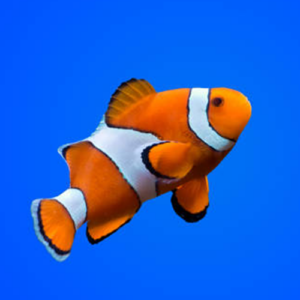
Picture for illustrative purposes only. Either come in store to view available stock or request pictures to be sent to you.
Please Note: Due to variations within species resulting from age, region, sex, etc., the actual livestock may not look identical to the image. Approximate size range may also vary between individual specimens.