Description
Freckle Face Tang (Acanthurus maculiceps)
Overview
The Freckle Face Tang or Spotted-Face Surgeonfish, is a striking and active member of the Acanthuridae family. Known for the intricate, gold-flecked pattern on its face, it is a prized specimen for experienced aquarists with large marine setups.
- Temperament: Semi-aggressive; territorial toward other surgeonfish and similar-shaped tangs.
- Size: Grows quite large, typically reaching up to 20–25 cm in captivity.
- Behavior: Highly active, constant swimmer. It requires ample space to patrol its territory and graze.
The Freckle Face Tang is prized for its distinctive white to yellow freckles across the face, a sleek grey to smoky brown body, and vibrant yellow pectoral fins. It can change color dramatically based on mood, shifting from dark grey with yellow freckles to light grey with blue freckles. As a member of the Acanthuridae family, it has a sharp caudal spine (“scalpel”) for defense, requiring careful handling to avoid injury. Its algae-grazing habits make it valuable for reef tanks, but its size and territoriality demand careful planning.
Care Requirements
- Tank Size: Due to its size and activity level, a minimum of 500 litrers is highly recommended. Anything less will likely result in a stressed, unhealthy fish.
- Temperature: 24–27°C.
- Salinity: 1.020–1.025 SG.
- pH: 8.1–8.4.
- Environment: Needs a significant amount of open swimming space. Provide plenty of live rock for grazing, but ensure the rockwork is open enough for the fish to swim freely without obstruction. High water flow and excellent filtration are mandatory given their high metabolism and waste production.
Maintenance
- Water Quality: Surgeonfish are sensitive to poor water quality. Maintain zero ammonia/nitrites and low nitrates.
- Routine: Weekly 15–20% water changes.
- Equipment: A high-capacity protein skimmer and efficient biological filtration are essential to handle the bioload of such a large, active fish.
Diet
- Type: Herbivore (primarily).
- Staples: Their diet should consist mainly of high-quality vegetable matter. Provide a constant supply of nori (dried seaweed), spirulina-enriched flakes or pellets, and fresh macroalgae.
- Supplementation: While they are herbivores, they benefit from occasional meaty offerings (mysis or brine shrimp) to maintain overall condition.
- Feeding Frequency: Feed small portions multiple times throughout the day to mimic their natural, constant grazing behavior.
Behavior and Compatibility
- Tankmates: Can be kept with other community fish, but be wary of adding other Acanthurus species, as they will likely fight over territory.
- Avoid: Do not house with very small, timid fish that will be outcompeted for food or intimidated by the tang’s rapid swimming.
- Reef Safety: Generally considered reef-safe and will not bother corals. However, they may graze on nuisance algae growing near or on coral bases.
Reproduction
Reproduction has not been documented in a home aquarium setting. They are broadcast spawners in the wild, which requires immense space and specific lunar/seasonal conditions to trigger.
Tips
- The “Space” Requirement: Do not underestimate the need for a large tank. A cramped A. maculiceps is prone to illness, particularly Marine Ich (Cryptocaryon irritans), which all surgeonfish are highly susceptible to.
- Quarantine: Always quarantine this species. Because they are prone to parasites, a strict quarantine protocol is the best way to protect your existing livestock.
- Nutrition: High-quality vegetable-based food is the key to preventing Head and Lateral Line Erosion (HLLE) and maintaining the vibrant coloration of their “spotted face.”
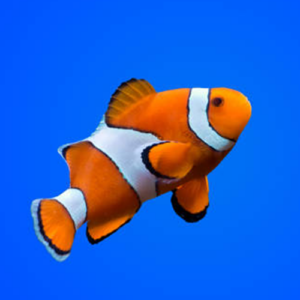
Picture for illustrative purposes only. Either come in store to view available stock or request pictures to be sent to you.
Please Note: Due to variations within species resulting from age, region, sex, etc., the actual livestock may not look identical to the image. Approximate size range may also vary between individual specimens.