Description
Mango Leaves
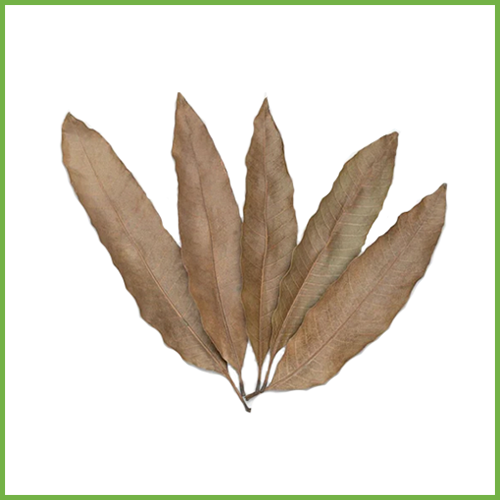
Mango leaves are a staple in natural aquaria because of their unique decomposition profile. They offer a leathery texture that holds up well underwater but softens enough for grazing livestock to eventually consume. They provide a beautiful “earthy” aesthetic and release a moderate amount of beneficial organic compounds without the heavy tinting of other botanicals.
Features:
- Sturdy Construction: Thicker than Catappa or Mulberry, Mango leaves maintain their shape for several weeks before breaking down.
- Moderate Tannin Release: Ideal for hobbyists who want the health benefits of “Blackwater” without the water becoming too dark to see through.
- Beautiful Aging: As they age, they turn a deep, rich brown and provide a wonderful contrast against green aquatic plants.
- 100% Pesticide-Free: Naturally fallen and sun-dried to ensure they are safe for even the most sensitive fish.
Benefits:
- Invertebrate Superfood: As the leaf softens, it becomes a primary food source for shrimp and snails, providing essential fiber and minerals.
- Natural Disease Prevention: Rich in mangiferin and other polyphenols that have documented antibacterial and antioxidant properties for fish.
- Territorial Boundaries: The size and shape of Mango leaves are perfect for creating “visual breaks” on the tank floor, helping to reduce aggression in territorial fish like Apistogrammas.
- Biofilm Production: Acts as a massive surface area for beneficial bacteria and microorganisms, creating a natural “snack bar” for fish fry.
Tips:
- Sinking the Leaf: Mango leaves are naturally buoyant. Boil them for 10–15 minutes to help them sink and to jumpstart the release of beneficial compounds.
- The “Shrimp Trick”: If keeping shrimp, wait until the leaf starts to look “lacy” (the veins are visible). This is when the leaf is at its most nutritious.
- Dosage: Use 2 leaves per 10 gallons to start. Because they are milder than Catappa, you have more flexibility with quantity.
- Mixing Botanicals: Mango leaves look best when mixed with smaller leaves like Bamboo or Birch. The variation in leaf size creates a much more realistic riverbed appearance.