Description
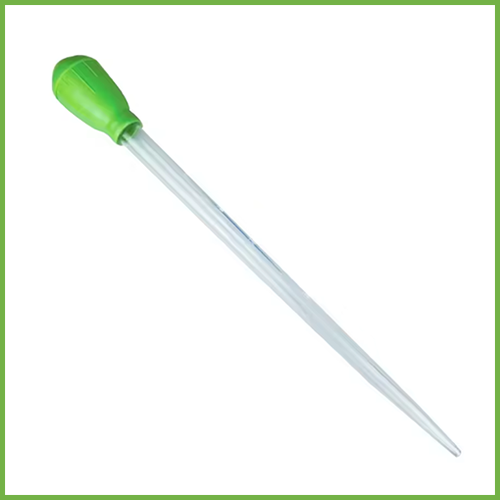
Aquarium Bulb Syringe
An aquarium bulb syringe (often referred to as a target feeder or a turkey baster) is one of the most versatile and affordable maintenance tools for any fish keeper. It allows you to perform precise tasks inside the tank without needing to submerge your hands.
They are typically made from chemical-resistant, food-grade materials (like acrylic or silicone) that won’t degrade in saltwater or leach chemicals into your tank water.
Features:
- Unique bulb shape for a comfortable grip
- Crack resistant, high heat plastic
- Easy to read measurement markings
- BPA-free
Benetits
- Targeted Nutrition: You can deliver food directly to corals, shy fish, or bottom dwellers, ensuring they get their fill without overfeeding the rest of the tank.
- Spot Cleaning (Detritus Removal): You can use the suction to gently remove fish waste, uneaten food, or debris from delicate areas without disturbing the entire tank. You can also fill the bulb and use to blow debris of corals.
- Controlled Water Changes: Ideal for precise removal of “muck” in small nano tanks or betta bowls without needing a full-sized gravel vacuum.
- Pest Control: Highly effective for applying liquid treatments or hydrogen peroxide directly to nuisance algae or localized pest outbreaks.
Specifications:
Total Length: 29cm
Volume: up to 30 ml
Total Length: 45cm
Volume: up to 50 ml
Tips:
- Turn Off Flow: Before target feeding, turn off your return pumps and wave makers for a few minutes. This prevents the current from dispersing the food before your fish or corals can eat it.
- Avoid Substrate Scratching: If using a hard acrylic tip near your glass or acrylic tank walls, be careful not to scrape the surface, as trapped sand grains can cause permanent scratches.
- Rinse After Use: Always thoroughly rinse your syringe with fresh water after each use to prevent bacteria buildup and algae growth inside the tube.
- Dedicated Tools: If you have multiple tanks (especially if one is a quarantine tank), use separate syringes for each to prevent cross-contamination of parasites or diseases.
- Squeeze Gently: When using it to blow debris off sensitive coral tissue, start with a light squeeze to ensure you don’t cause physical damage to the coral’s polyps.
Cleaning Instructions:
Disassemble by carefully loosening the bulb from around the plastic tubing. Then rinse all parts in warm running tap water and if necessary use a cleaning brush to remove stubborn particles. Allow to air dry.